lervia handheld vacuum cleaner

raisons de sécurité, il est vivement conseillé de lire attentivement la notice avant de manipuler un nettoyeur vapeur. vapeur est un appareil simple d'utilisation. différentes manières en fonction de la surface à nettoyer et deSon entretien est simple et ne requiert qu'un en route un nettoyeur vapeur, la procédure est simple : savoir : pour savoir si la surface que vous voulez traiter supporte la chaleur de la vapeur, effectuez un test sur une partie cachée ou un échantillon. Portez une attention toute particulière à la résistance des supports traités, peints, laqués, vapeur est utile dans de nombreux domaines. noter : ne pas trop appuyer sur les moquettes fragiles. pas directement les surfaces fragiles telles que les bois, rideaux, velours ou encore peaux. vapeur sur vos vêtements à 50 centimètres de distance. vapeur à 50 centimètres de distance. vapeur à l'aide du pistolet et ensuite récupérez la vapeur avec un

chiffon sec. Idem pour les escaliers, montant de porte ou autre de carrelage sont des surfaces difficiles à nettoyer. détergents et l'huile de coude sont inefficaces, le nettoyeur vapeur, lui, obtient des résultats étonnants. sur les joints et frottez dans un mouvement latéral pour lesEnsuite, rincez abondamment à l'eau claire pour évacuer les saletés qui se sont détachées.. briller les vitres, il faut utiliser la raclette parmi lesL'action doit être réalisée en deux temps : hiver, une trop grande différence de température entre la vapeur et l'extérieur peut provoquer un choc thermique. l'opération en aspergeant à bonne distance une peu de vapeur sur d'effectuer quelconque entretien de l'appareil vapeur, il est impératif de mettre l'appareil hors tension. soin de son appareil, quelques précautions sont à prévoir :Hundreds of millions of years ago the Sahara was covered by great seas. With time, the seas
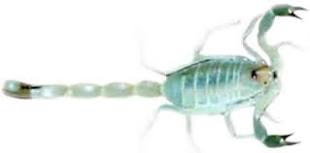
slowly drifted away, leaving behind a massive expanse of searing desert, much bigger than the one we have today. Around 800,000 years ago, the Sahara was hot, damp and covered with swamps, lakes, rivers and vegetationThis period of heavy rain lasted for hundreds of thousands of years. Ever since, the Sahara comes and goes just as ice ages do elsewhere. most recent cycles, between 12,000 and 10,000 years ago, brought heavy rainfalls to the area, and gradually transformed
1800w swift pet vacuum cleaner the Sahara into wet and lush-green land, covered with rivers
kenmore canister vacuum cleaner 28014 and lakes, and teeming with hippopotami, rhinoceroses, crocodiles
aquafilter vacuum cleaner uk
However, according to an article published in the Independent Newspaper (September 8, 1999), titled: "Tilt of Earth's axis turned Sahara into a desert", found that the Sahara was abruptly transformed from fertile land into a desert after the Earth underwent one of its periodic changes in orientation between 9000 and 6000 years ago; during which its tilt lessened from 24.14 degrees off vertical to its present 23.45 degrees, and its closest position to the sun gradually shifted from July to January. The Sahara today is the largest desert in the world, estimated to be between seven and nine million square kilometres (7-9m km2) - that is about one third of Africa. Winters in the subtropical north can be very cold where temperatures can fall below freezing point, as opposed to the mild tropical south, where rain falls more during the summer than it doesSimilarly, temperatures are high during the day and low at night.

The highest temperature in the world was recorded in Libya on the 13th of September 1922, in el-Azizia, close to Tripoli: a staggering 136.4 degree Fahrenheit (orAlthough in the summer temperatures reach 50 degrees Celsius in the shade, and in the winter can reach -9 (minus nine), the average year round temperature is about 30 degrees Celsius. Between the 27th of December and the 18th of January some areas of the Sahara become covered with a thin white layer very similar to frost, which turns the surface white and hence the name of this period: "TheBerber names: Alkhad (Tuareg); Ground-creeping desert plant, with inedible gourds, the size of small melons. The milky sap of these gourds is used as a remedy for scorpion stings by the local Tuareg people. purgative - that is cleanses and purifies the body. medicine in Central Sahara: Pharmacopoeia of Tassili N?ajjer", Volume 105 (2006) pp. 358-367. In prehistoric times the Sahara was significantly wetter, but
climatic desiccation over the past few thousand years has destroyed much of its wildlife. The flora of the Sahara is estimated to include about 1,200 species, consisting mainly of xerophytes and ephemeral plants, with halophytes in moister areas, and Acacia, Tamarisk and Calotropis procera along the wadis. However, according to another scientific study, the Sahara's flora still includes about 3000 The fauna of the Sahara includes about 70 species of mammals, 300 species of birds, including 90 species of resident birds, and around 100 species of reptiles. Owing to extreme heat, most small desert creatures are nocturnal. of these species were greatly reduced by over-hunting and many are now endangered species, like the ostrich, addax, some species of gazelles and the cheetah. Most of the African large mammals that were reported to have been present in the desert until the second half of the 19th century have now become extinct.
of these animals can be seen in Fezzan Park, and also in Tripoli's The Sahara is also rich in oil and metallic, mineral deposits, the most common of which is iron ore (found in large quantities in Algeria and Mauritania), followed by copper, manganese, phosphates, and uranium (with large deposits in Niger). Desert Roses from the Sahara around the Ghadames Area, Libya. Desert roses grow in size just like plants and animalsThe leaf-like structure of its crystals makes the stone look like a rose flower and hence its name. is slowly built using the mineral gypsum which grows in the tiny gaps between the specks of sand. A handful of sand would appear compact to the naked eye, but under the microscope one can easily see more cavities than sand. As it grows in these cavities the gypsum seals the surrounding sand particles in leaf-like flakes. These flakes then grow with time just like plant leaves do, and develop complex forms
This type of desert rose is found after Tmessah and before reaching Waw Alkabeer, Fezzan, southern Libya. Most of the Sahara's oases are situated in depressions and sustained by underground basins and rivers. For plants to survive in the desert, they must invent ingenious ways to deal with lack of water. Some species germinate within 72 hours of rainfall and sow their seeds 2 weeks later. Shrubs and trees have extensive root systems which can penetrate as far as 50 metres into thetamarisk and acacia have short, fat trunks that act as reservoirs for excess water. The seeds of ephemerals germinate only after heavy rain, and then very quickly consume theirproducing brightly coloured flowers to attractGrasses develop large and complex root systems for collecting water over a wide area, enabling them to survive when the overground parts are scorched to death. Geophytes survive by remaining underground as bulbs, and like ephemerals, they quickly grow and develop when rain comes.
Saharan succulents, like euphorbia, suck the extra water to store insects collect moisture from the air and then direct it as droplets of water into their mouths. While desert-ships (the camels) vary their bodies' temperature according to the conditions: low when it is cool and high when hot; when they are thirsty transpiration Humans, however, resort to nomadic way of life in order to survive in the Sahara, travelling from one location to another in search of water and vegetation. In short, life has a mind of its own, long before it created ours! The only permanently inhabited zones in the Sahara are the oases and areas along the few fertile Wadi Alhayat (the Valley of Life) in Fezzan. in these regions, which are normally arranged in narrow rows with an east-west orientation (in line with the apparent sun's course across the sky), occur where water is relatively close to the surface, and thus allowing the digging of shallow wells