vortech force vacuum cleaner reviews

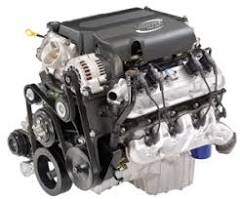
Here is the starting point for our 3.6L Pentastar supercharger installation. Before getting started, make sure to reverse out any and all performance tuners. After you've secured any alarm or radio codes, start the installation by disconnecting the battery.Remove the air filter and the air temperature sensor. When re-installing the air temperature sensor, it should be facing the air stream with the support facing the throttle-body. Be careful not to damage it when it is being removed.Next, remove the upper shroud, along with the coolant overflow tank. Set them both aside.Next, you'll have to remove the factory intake manifold. To do this, you'll first have to unplug the vacuum lines and throttle body and remove the MAP sensor. There is also a large data plug on the passenger side of the intake manifold that must be unplugged (pictured here). You can then remove the bolts holding the manifold down.Once you've removed the hardware, along with the two nuts holding down the aluminum heater tubes, you can remove the intake manifold.

Once the intake manifold has been removed, you should cover the intake ports with tape or rags to prevent debris from getting into the intake runners.Next, unplug each fuel injector by pulling back on the red safety latch.Remove the four bolts holding the fuel rail on to the lower plenum. Be prepared for some fuel to spill from the fuel rails.Remove all the stock injectors from the fuel rails. The new injectors supplied with the RIPP kit are taller than the stock ones, so you'll need to use the supplied shims during the installation.Using a slight amount of grease and the supplied grommets, install the new injectors into the fuel rail. You'll also need to gap the spark plugs so they'll play nicely with your new supercharger. Start by unplugging and unbolting the coils and remove the spark plugs. Gap the spark plugs to .032 inches and re-install.You will also need to grind the intake manifold for added clearance. Trim the passenger side of the intake manifold and then clean any shavings from the intake runners.

Here, you can an get idea of the approximate amount of material you'll need to remove from the manifold.Re-install the intake manifold and plug in all the connectors.Next, remove the electric cooling fan.You will also have to remove the power steering pump via the factory tensioning system. The belt will be left in the vehicle and used with the supercharger system.
onix vacuum cleaner nzWhen you remove the belt tensioning system, it will expose a cover plate, which will also need to be removed.
delphin vacuum cleaner repairNow you can remove the power steering pump.
eureka forbes vacuum cleaner euroclean xtreme priceThe supplied power steering pump spacer/relocation bracket will mount directly to the engine block where the power steering pump was located.

Install the power steering pump spacer/relocation bracket.Now you can re-install the power steering pump.Next, you'll need to remove the coolant from the radiator via the petcock at the bottom of the radiator.Once the coolant is drained, remove the lower coolant hose and cut about 3-4 inches off the radiator side of the hose. This will provide the necessary room for the supercharger.You'll also need to remove the heater hose directly behind the alternator and cut about the 1.5 inches from the engine side of the hose.You'll need to twist the heater tube upwards toward the alternator, leaving just enough room to install the heater hose and clamp. Insert the hose into the tube and pull upward until it is in proper position. After you've installed the supplied belt tensioner, remove the upper radiator supports and move the radiator forward to makes more room for the supercharger.To complete the task of moving the radiator forward, you'll have to remove the power steering reservoir and then mount the radiator directly to the upper radiator frame.
To re-install the radiator properly, you must install the included bushing behind the radiator tabs.Remove the three bolts holding the left side of the alternator in preparation for the supercharger.The lower heater hose will need to be bent up about 2-3 inches to accommodate the blower. You may have to tweak it a little more at the time of the supercharger installation.Now you can prep the supercharger for installation. First, remove the shipping plug supplied with the system. Move the supercharger assembly into place, facing the pulleys toward the engine. Then, thread the serpentine belt upward between the power steering and factory idler. Slip the belt over the supercharger pulley (top), holding the blower slightly off center, and then align the serpentine belt on to the power steering pump. Leave some slack on the driver's side.Once the belt is on the pulley, you must turn it counter-clockwise and thread the first bolt of the supercharger bracket, which should self-align itself with the top most alternator mounting point.
Install and and hand-tighten the other bolts before doing a final tightening on all of them.Now, you'll have to re-position the power steering hose located on the power steering box, making room for the intercooler piping. Move the factory stud from position A in the picture to position B. Now, remove the factory transmission cooler if you have an automatic transmission. Simply remove the radiator grille. Once you've accessed the tranny cooler, remove the transmission cooler line block. There are two metal high-pressure connections, which connect the transmission lines from the driver's side of the radiator to the transmission cooler. Remove these lines from the vehicle as they are no longer needed. We recommend using a Pick-Tool to separate the lines for removal. Mount the RIPP-supplied transmission cooler, centering it to the condenser. It should sit flush so it will not interfere with the intercooler. The supplied instructions go into great detail on the tranny cooler mounting process.

Once the cooler is mounted, you need to run the supplied hose to and from the aluminum pickup points to the new transmission cooler. The electric fan will need to be modified to accommodate the supercharger air inlet duct. Using an electric saw, you will essentially trim one leg of the fan shroud in half depth from its original form. Once finished, zip tie the fan wires in a location that won't interfere with the supercharger.Now, you can re-install the fan by simply reversing the removal process. Plug in the fan switch.To install the intercooler, start by removing the vehicle's front grille. Then locate the plastic flaps on each side of the radiator and remove. You'll need to create an opening for the intercooler pipes to pass through. We recommend using a saw or Dremel (as pictured) to create this opening. Rest the intercooler on the lower radiator support and use the supplied "L" brackets and hardware to bolt it in place. It should not be touching the condenser.Thread the intercooler piping through the holes and attach to the couplers (black elbow in picture).

Loosely clamp the pipe and couplers for the time being.Bend the A/C line up slightly to accommodate the boost pipe, which leads to the throttle body. After you install the temperature sensor into the boost pipe, check to make the sure the pipe does not interfere with the A/C lines. If it does, gently bend the A/C lines upward to create space. Then, tighten all clamps.Next, install the air inlet hat in the open leg of the fan. Once in, slide the inlet hat on to the compressor and rotate upwards while pushing inwards. You can apply a small amount of lubricant to the inlet tube to make this step easier. Once you have the inlet hat and air filter plenum in place, you may need to trim the fan shroud a little more. Next, install the coolant overflow tank and bracket. Using the supplied template, you can mark the three drill holes, which will be used to secure the mount. Install the supplied coolant tank bracket. Slide the tank on to the bracket until it bottoms out. Then, route the coolant overflow hose from the radiator to the overflow tank.