prolectrix vacuum cleaner parts

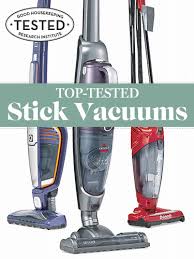
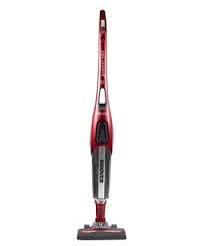
Tested and Trusted: The Best Slow Cookers We tested the latest of these helpful, compact appliances. These are the five that really cleaned up. How We TestedHow We TestedLighter than full-size vacuums, easier to push and less bulky for better storage, these compact vacuum cleaners make quick work of minor debris and big spills.To find the best, our lab pros wheeled 11 models over carpet and bare floors, sucking up baking soda, oatmeal, dried orzo and more. They measured noise levels, ease of washing and replacing parts and, on battery-operated models, run and recharge times. And they took note of the number of tools and special features. Finally, our consumer testers scored the vacs' maneuverability. The Winner: Bissell Lift-Off 2-In-1 Cyclonic CordlessThe Winner: Bissell Lift-Off 2-In-1 Cyclonic CordlessWhat We Love About It: The Bissell outperformed the rest with the best combo of floor and carpet cleaning. It did especially well along walls; soft wheels and a bumper won't leave nicks or scratches.

Steering is practically effortless, said testers: "very swivel-y" and "extremely smooth."Every part of its dust cup is washable, so the vac works efficiently every time. Tools store neatly on its charging base.
bissell proheat all rounder vacuum cleaner"I like how well balanced its weight feels."
karcher upright vacuum cleaner cv30-1"On a scale of one to five, I give it a 10!"
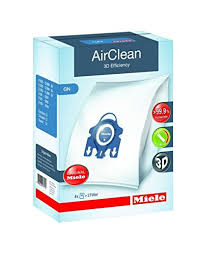
beldray stick vacuum cleaner reviews Miele 10123210 AirClean 3D Efficiency Dust Bag, Type GN, 4 Bags & 2 Filters Type G/N Airclean Filterbags, 1 BoxDetailsMiele Classic C1 Olympus Canister Vacuum Cleaner, Lotus White - Corded FREE Shipping. Buy "Type G/N Airclean Filterbags, 1 Box” from Amazon Open-Box & Used and save 18% off the $20.85 list price.
GN FilterBags For use with S227/S240, S270/S280, S400, S2000 and S5000 Series canister vacuums. Electric heaters are relatively simple in operation and simple to troubleshoot and repair. This Fix-It Guide on electric heater repair tells how an electric heater works, what often goes wrong, how to identify the electric heater problem, and what parts and tools you will need to fix it. It then gives simple step-by-step instructions for how to disassemble radiant and convective heaters and how to service a ceramic heating element. This guide also refers to other Fix-It Guides, such as motor repair and heating element repair, for specific problems.How Does an Electric Work?Electric baseboard and wall heaters are room air-heating units. A baseboard heater has one or more horizontal heating elements and is controlled by a thermostat. Baseboard heaters are mounted at the base of a room wall. Air is drawn in through the bottom and heated by the electric elements. The warm air then rises into the room.
The electric elements are often shaped like metal fins, and some are filled with fluid to maximize their heat retention. Often several units are installed around the perimeter of a room.An electric wall heater is a forced-air heating device. The wall heater fits into the wall and uses a fan to circulate air that has been warmed by an electric heating element. The fan and row of heating elements inside the unit are controlled by a thermostat. Wall heaters are often installed in bathrooms, laundry rooms, and other areas to provide supplemental or occasional heat.A portable electric or “space” heater is designed to warm a small area. There are two types. In convective heaters, air heated by one or more heating elements is blown into the room by a fan. In radiant heaters, the elements heat a liquid that radiates heat into the room rather than blowing it in.A ceramic heater, a type of convective heater, uses a larger ceramic element that allows the heater to be run at lower temperatures, making it somewhat safer than other convective heaters that rely on conventional elements.

Additional components in a typical electric heater include control switches, elements, and a motorized fan. Heaters also typically have a thermostat. For safety, portable heaters usually include a tip-over switch, which shuts off the heater if it’s knocked over, and a thermal cutoff, which shuts off an overheating unit. Some cutoffs reset after the heater has cooled down, but others must be replaced if they trip.What Can Go Wrong with an Electric Heater?Even though there are few parts to the typical electric heater, most of the parts can make the heater stop working. Heating elements burn out. Power cords and switches fail. The most common problems are caused by switches, thermostats, and heating elements. In addition, higher-watt heaters can trip a circuit breaker or blow a fuse, stopping electricity to the circuit.Make sure nothing flammable is on or near an electric heater.How Can I Identify the Electric Heater Problem?Though they are relatively simple in operation, electric heaters have many things that can go wrong with them and stop them from heating.

If the heater does not come on, make sure power is on to the unit (see the Electric Service Panel Fix-It Guide). If the circuit is delivering electricity, test the electrical cord, the thermostat, and the heating element.If the heater comes on, but does not produce sufficient heat, check the heating elements to see if they are glowing.If a fan-equipped heater comes on but the fan does not operate, test the fan (see the Motor Fix-It Guide). Also, use a vacuum cleaner to remove any dust or debris around the fan and elements.Make sure the heater sits level on a hard surface so the tip-over switch will not prevent the heater from working. Remove the control housing and check for burned wires. Replace any that look damaged. Test the thermostat and replace it if needed.Dust and lint can ignite; blocked vents can cause the unit to overheat. Make sure you carefully vacuum or wipe away accumulated dust and debris.What Do I Need for Electric Heather Repair?Most replacement parts for electric heaters need to come from the manufacturer or an aftermarket supplier.
Because there are so many brands and models, hardware and electrical stores don’t carry very many. However, you can disassemble the heater, remove the problem component, and take it to a knowledgeable clerk for assistance in replacing it. Here are the tools you’ll need:ScrewdriversAdjustable pliersLong-nose pliersMultimeterWhat Are the Steps to Electric Heater Repair?Disassemble a radiant electric heater:Unplug the heater and let it cool completely before disassembling it.To access wiring, remove the screws holding the control housing in place at the edges and lift it away.To remove the thermostat, pull off the knob and remove the electrical leads, marking their location with tape. You may need to remove the retaining nut to free the thermostat.To remove the power switch, label and disconnect the leads. Some switches are secured by clips on the top and the bottom; others are fastened by screws.Disassemble a convective electric heater:Unplug the heater and let it cool completely before disassembling it.

Remove the rear grille and the control knobs. Remove the front grille by unscrewing the fasteners on the back of the housing.Remove the front grille by lifting the control housing and pulling the front grille toward you. The motor, fan, and heating element are now accessible for testing and repair.Remove the thermostat from the control housing and disconnect the wires. Remove the heat control’s mounting screws and clips to access and disconnect wires.Service a ceramic electric heater element:Inspect the unit for screws and hidden fasteners, removing them as needed.Remove clips, fasteners, and other components to reveal the heating element.Test each element using a multimeter set on the RX1 (resistance times 1) scale. The reading should be approximately 10 ohms.To replace a faulty ceramic heating element, disconnect the terminal lead on each side and lift the element out of its housing. Be sure to note the element’s position, so it or a replacement can be reinstalled with the least effort.